Safety Tips for Lakeside Cycling Routes
Weather changes fast around water. Here's what you should know before heading out — from tire pressure to visibility gear that works.
Why Lakeside Routes Need Special Attention
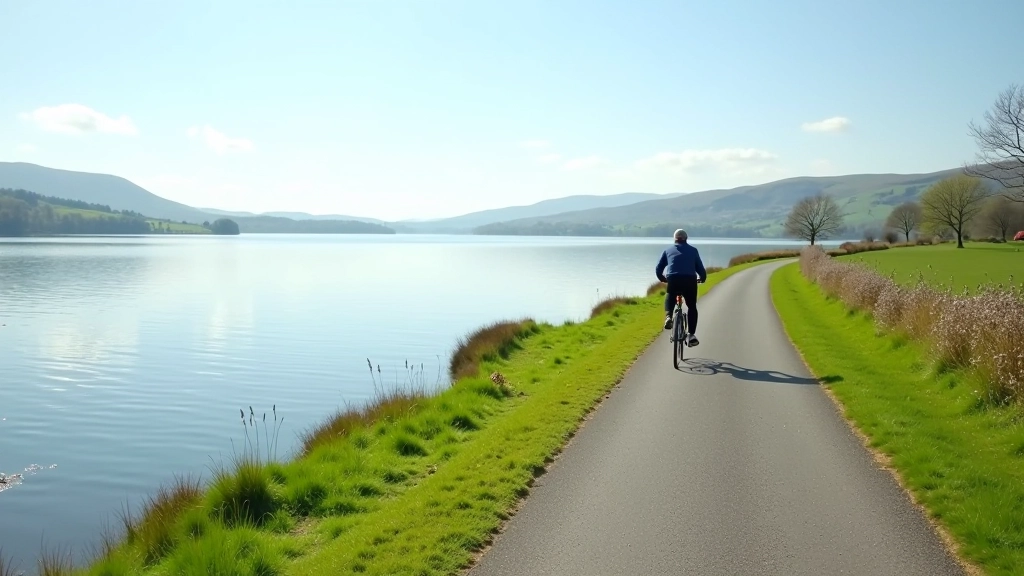
Cycling near water isn't like riding on inland paths. The lake affects everything — wind patterns, moisture, visibility, even ground conditions. You'll notice temperature swings, sudden gusts, and how quickly conditions change when you're exposed to open water.
Most riders don't realize how much difference the lakeside environment makes until they're caught unprepared. We've put together what we've learned from years of riding around Lough Ennell and similar routes. It's not complicated, but it matters.
Three Things That Change Everything
- Wind behavior shifts dramatically near water
- Moisture affects braking power within minutes
- Glare from water surface impacts visibility
01
Check Your Brakes and Tires Before You Ride
Moisture is everywhere near water. Your brake pads absorb it. Your tire grip changes. You're not just cycling — you're cycling on equipment that's responding differently than it would on a dry inland route.
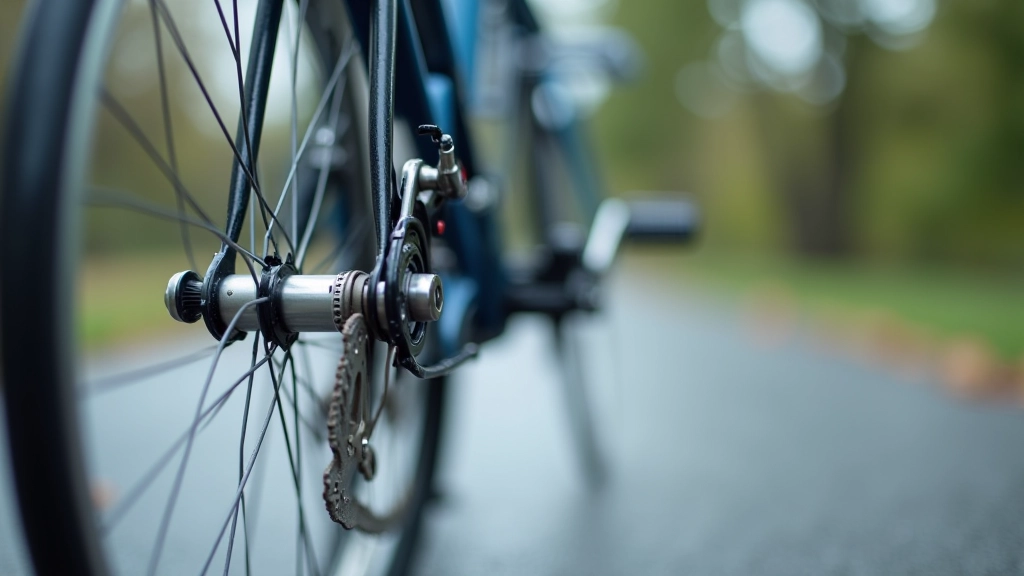
Brake check: Squeeze your brakes hard before you set out. They should feel responsive, not squishy. If you've been riding in wet conditions recently, wipe your brake rims or rotors dry. Moisture sits on metal for hours, degrading braking power gradually.
Tire pressure matters more here. Lower pressure (by 5-10 PSI from your normal setting) gives better grip on damp ground around the shore. But don't go too low — you'll risk pinch flats on rougher sections. Aim for the lower end of your tire's recommended range on damp days.
02
Dress for Wind and Glare, Not Just Temperature
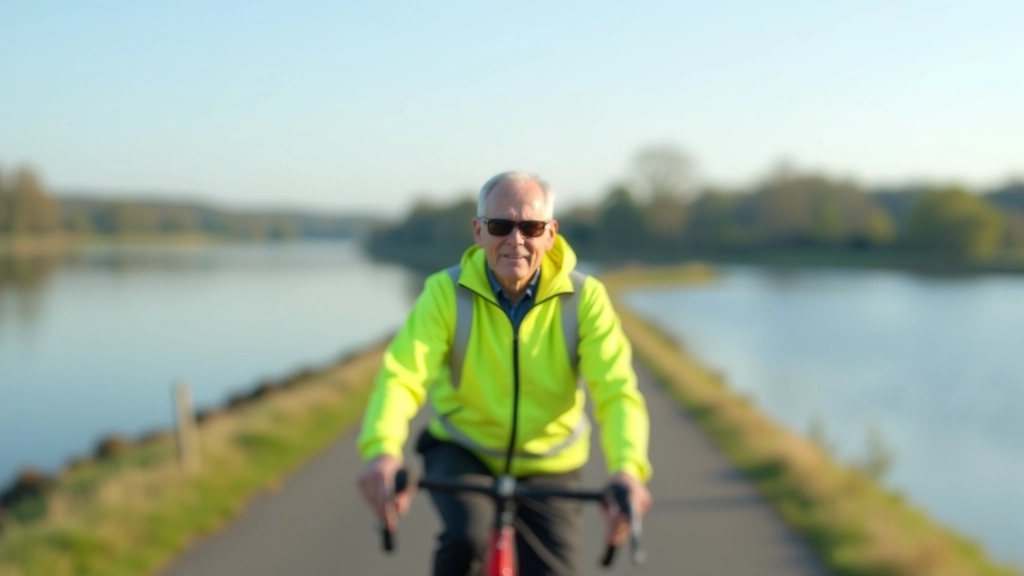
A 15-degree day near open water feels like 8 degrees when you're exposed. Wind accelerates off the lake. You'll be colder than you expect, and windproof layers make a real difference. Cotton absorbs moisture and makes things worse — go synthetic or wool.
Sunglasses aren't optional. Water reflects sunlight at angles that cause eye strain and headaches within an hour. Polarized lenses reduce glare significantly. You'll notice the difference immediately — less squinting, sharper vision, safer riding.
High-visibility gear serves double duty here. It's harder for drivers to spot you against water's bright surface. Fluorescent yellows and oranges work better than reds near water. A reflective vest over your jacket takes 30 seconds to put on and makes you visible from 200+ meters away.
Information & Safety Note
This guide is educational material based on cycling best practices for lakeside routes. Conditions vary by location, weather, and individual fitness levels. Always assess your own abilities, check local conditions before riding, and follow traffic laws. If you're new to cycling or have health concerns, consult with a healthcare provider before starting a new cycling routine.
03
Know the Ground and Adjust Your Line
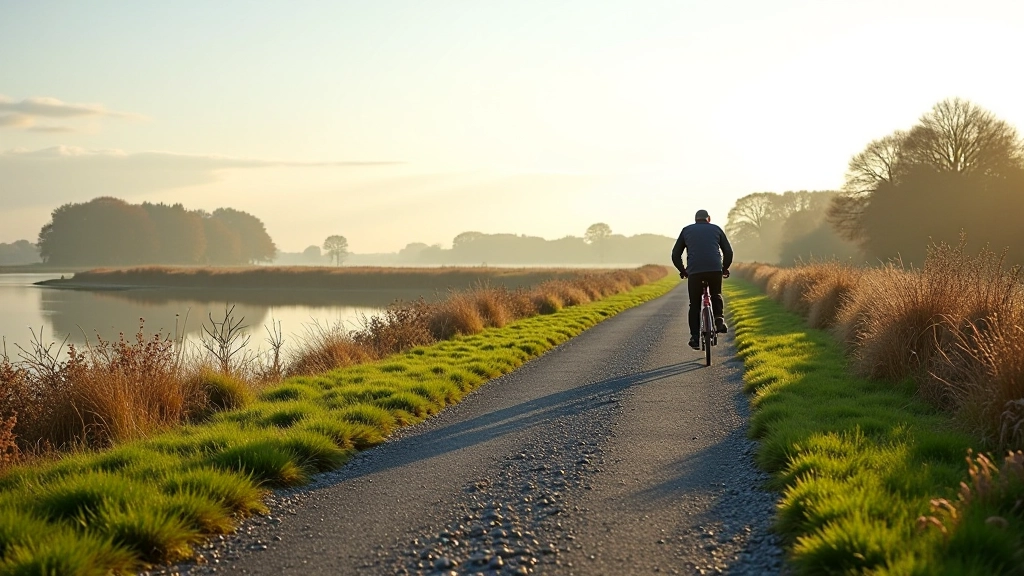
Lakeside paths have ground conditions you won't find inland. Sand deposits accumulate on curves near the shore. Algae builds up on concrete surfaces in warm months. Loose gravel settles where water has run across the path during heavy rain.
Your first run on a new section, go slower. You're learning the surface. Where does water sit? Which sections get muddy? Where's the firmest ground? After a few rides, you'll know instinctively which lines to take. On the Lough Ennell shore road, the outer edge near the water tends to stay softer — the middle and inner sections have better grip.
Wet leaves are deceptive near trees. They're slicker than they look. Brake early if you're approaching a section with overhead cover. Same with moss-covered stones — they appear darker and are genuinely slippery. Walk those sections if you're not confident.
04
Plan Routes with Shelter and Bailout Options

Don't plan your route assuming perfect conditions. Weather near water changes in 20 minutes. You'll see clouds building over the lake and then experience wind gusts you weren't expecting. Know where you can cut your ride short if conditions deteriorate.
Tree cover matters. Wooded sections of the Belvedere House loop offer shelter that open sections don't. Plan your longer rides to use shelter strategically — start in exposed areas when wind is calm, save sheltered sections for when conditions get rough.
Bailout routes aren't signs of weakness. They're planning. If you're 7 kilometers in and wind picks up, knowing you can cut through inland to shorter paths means you're not stuck. Carry your phone. Know the main road numbers near your route. If conditions force you off the bike, you've got options.
The Real Thing: Experience Teaches You
You can't read your way to complete safety. You learn by riding, noticing what works, and adjusting. The first time you feel how moisture affects your braking, or you get caught in a wind gust near open water, or you spot that sandy section you'll avoid next time — that's when it sticks.
Start conservatively. Ride familiar sections in variable conditions. Talk to other riders about what they've learned. Within a few weeks of regular riding, you'll develop instincts that keep you safe without overthinking every detail.
The lough routes are genuinely beautiful. They're also genuinely worth respecting. You'll get the most from them — and stay safest — when you understand how the lakeside environment changes your bike's behavior and your own.

Related Routes & Guides